Cycle & Menstrual Health
Understand how hormonal fluctuations are affecting your cycle, mood, and symptoms during perimenopause.
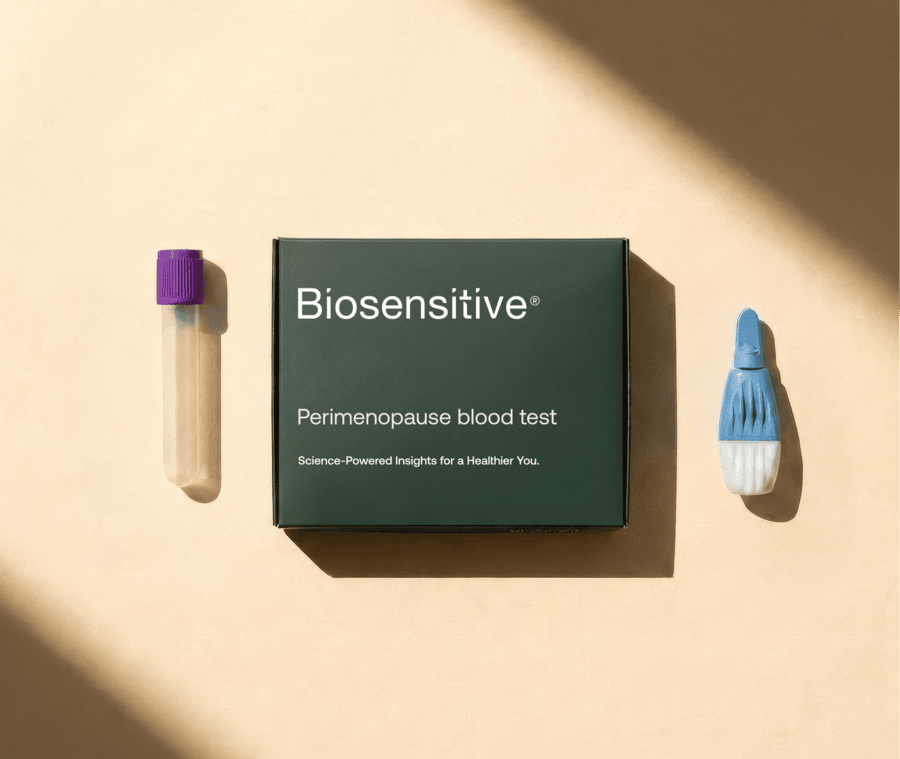
Understand your body’s hormonal changes and take control of your wellbeing with the Biosensitive® Perimenopause Blood Test, a clinical assessment designed to give you clarity during the transition to menopause.
This test helps identify whether fluctuating hormone levels are behind symptoms such as irregular periods, fatigue, mood changes, hot flushes, or sleep disruption. By understanding how your hormones are shifting, you can make informed decisions about treatment, lifestyle adjustments, or hormone therapy with confidence.
All items are typically dispatched within 24 hours. 30-day return for unopened and unused product tests and kits.
Click on each biomarker to see what it does and how it can influence your health.
The primary form of oestrogen. Levels fluctuate widely during perimenopause and influence symptoms such as hot flushes, mood changes, irregular cycles, and sleep disruption.
Often one of the first hormones to decline in perimenopause. Low levels can contribute to anxiety, poor sleep, mood swings, and heavier or irregular periods.
FSH rises as the ovaries become less responsive. Elevated levels are a strong indicator that the body is transitioning toward menopause.
Works with FSH to regulate ovulation. Changes in LH can help explain cycle irregularity and ovulation decline during perimenopause.
Reflects the number of remaining eggs (ovarian reserve). AMH naturally declines with age and is a key marker for understanding how far along you are in the transition toward menopause.
An important hormone for libido, energy, mood, and muscle health. Levels can decline or fluctuate during perimenopause, affecting overall vitality.
Thyroid imbalance can affect cholesterol and heart rate.
A protein that binds to sex hormones and controls how much free, active testosterone is available. Changes in SHBG can amplify symptoms such as low libido or fatigue.
A calculation showing how much active testosterone is available in the body. Helpful for understanding androgen deficiency or excess during the perimenopausal transition.
Helps determine whether the thyroid is underactive or overactive. Thyroid imbalances can mimic perimenopause symptoms such as fatigue, low mood, weight changes, and irregular periods.
Shows how much circulating thyroid hormone is available for use. This helps confirm whether thyroid function is playing a role in your symptoms.
A pituitary hormone that can disrupt ovulation and menstrual regularity if elevated. High prolactin may contribute to irregular periods, low libido, or breast tenderness during perimenopause.
Supports hormone regulation, bone health, and immune function. Deficiency is common and can worsen symptoms such as low mood, fatigue, and muscle weakness.
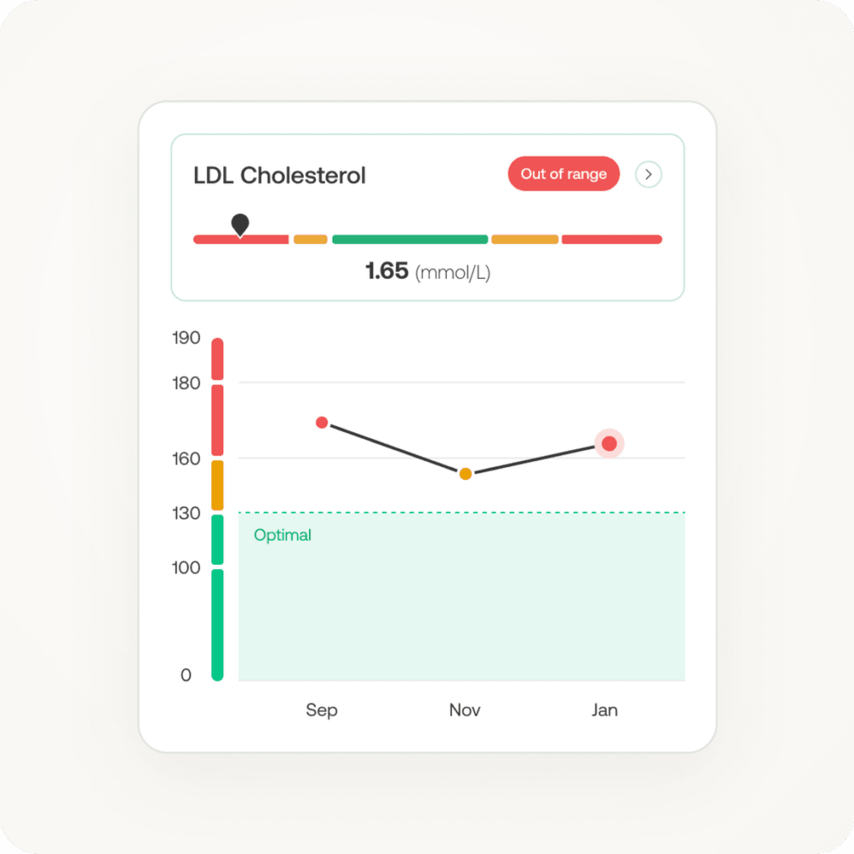
This test measures the key markers that influence your cholesterol, metabolism, and organ function giving you a clear view of your cardiovascular health and long-term heart risk.
Understand how hormonal fluctuations are affecting your cycle, mood, and symptoms during perimenopause.
Track how your ovarian reserve is changing to better understand where you are in the menopausal transition.
Identify thyroid imbalances that often mimic perimenopause symptoms such as fatigue, mood shifts, and weight changes.
Assess the hormones that influence libido, energy levels, muscle strength, and overall emotional wellbeing.
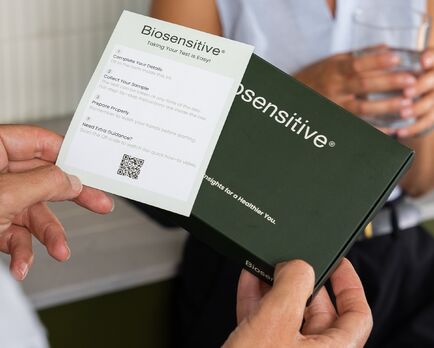
A simple three-step process to get clinically led insights into your health.
Order your Perimenopause Test and we will send your kit to you the following day. You will then be sent a link to book in your nurse visit if you have opted for this service.
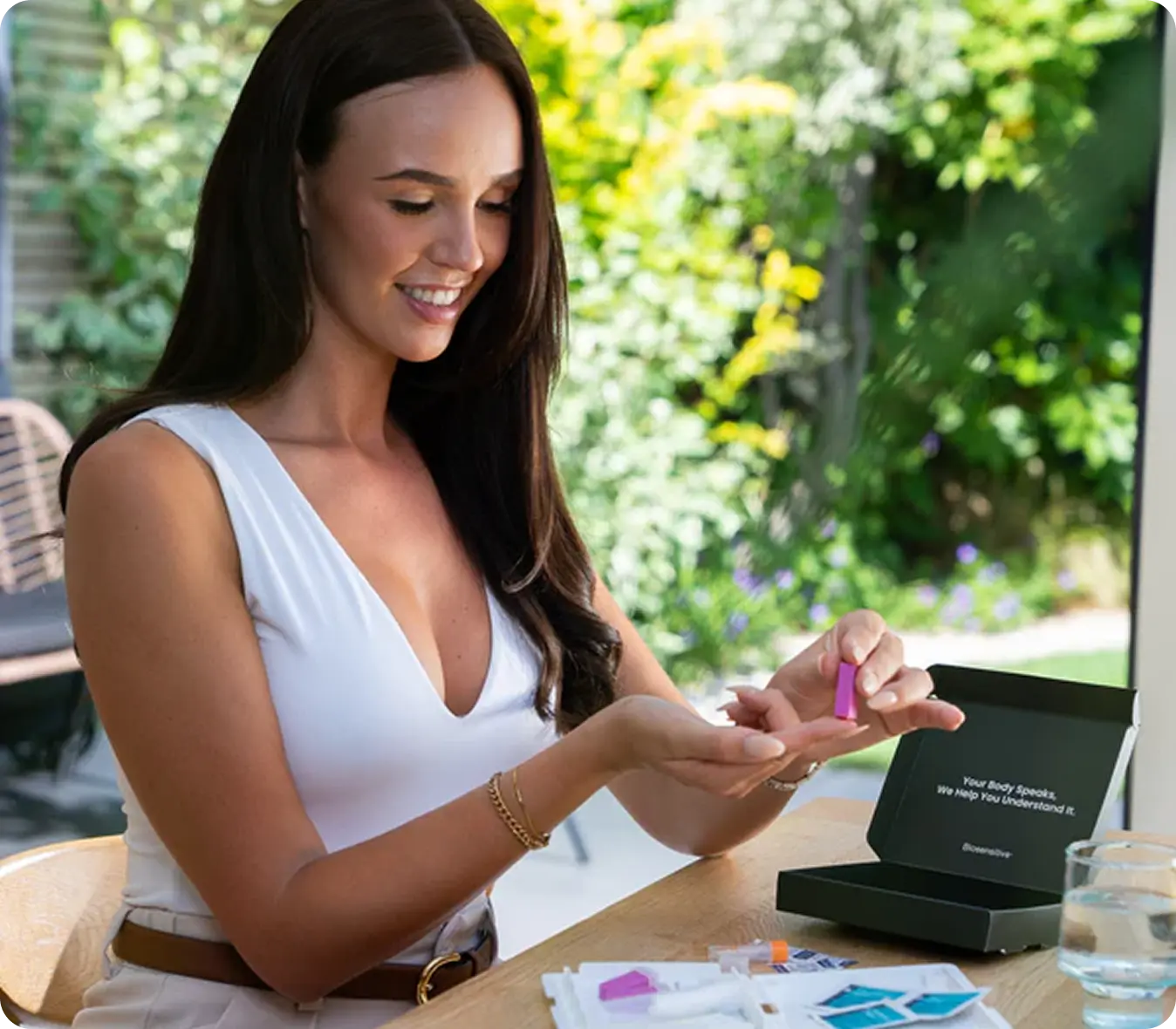
This test can be done via a finger prick or venous blood draw. If you select a venous blood draw, you can choose either to have one of our nurses visit you at your home or workplace for a venous blood draw, or you can arrange the blood draw yourself.
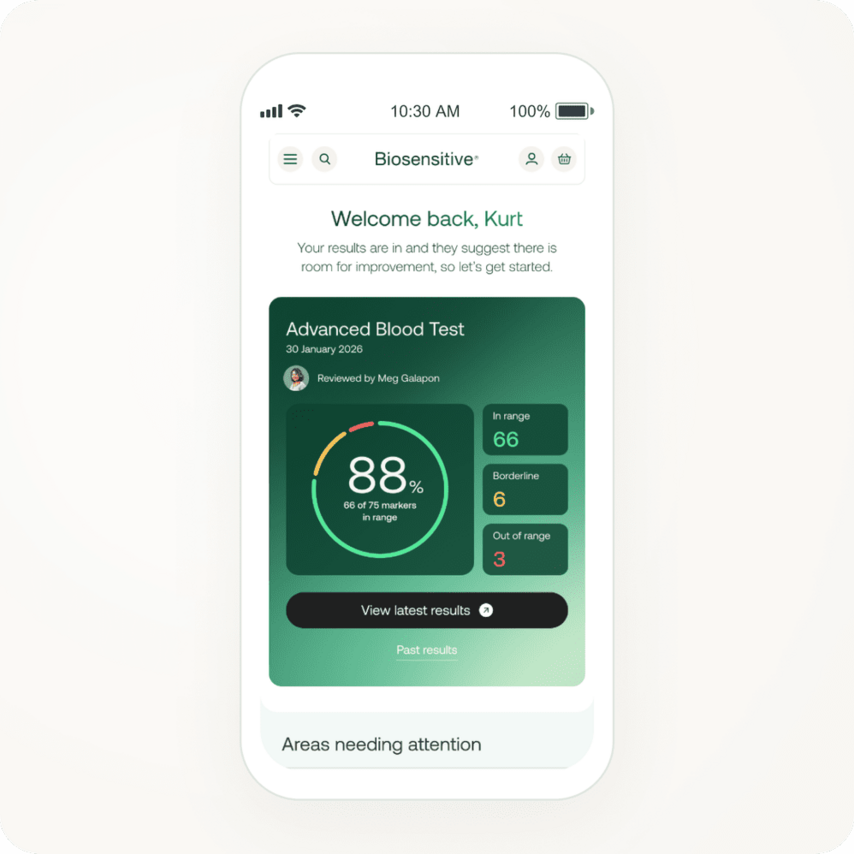
Once your sample is sent back to us using the prepaid envelope in your test kit, we will produce your results within 3-5 days. You will be provided with a doctors report based on your results.
If you have any other questions please reach out to us directly.
This panel measures the key hormones and nutrients that change during perimenopause, including oestradiol, progesterone, FSH, LH, AMH, testosterone, SHBG, thyroid hormones (TSH & Free T4), prolactin, FAI, and vitamin D. Together, these markers help explain symptoms such as irregular cycles, fatigue, mood changes, and hot flushes.
This test is ideal for women in their late 30s to mid-50s experiencing symptoms such as irregular periods, sleep disruption, anxiety, mood swings, heavy cycles, or difficulty with weight changes. It is also helpful for anyone wanting to confirm whether symptoms are due to perimenopause or another hormonal imbalance.
A standard hormone test usually measures only oestrogen and progesterone.
This advanced perimenopause panel includes AMH for ovarian reserve, thyroid function, testosterone balance, SHBG, prolactin, and vitamin D, giving a much more complete understanding of hormonal transitions and how they affect your wellbeing.
For the most accurate insight, we recommend taking the test on day 3 of your cycle if periods are still regular. If your cycles are irregular or unpredictable, you may take the test at any time.
Yes — the inclusion of AMH, FSH, LH, and oestradiol provides insight into ovarian reserve and the progression toward menopause, although timing varies individually.
You can either opt for a finger prick or venous blood draw. If you opt for a venous blood draw, you can either choose to have a at home visit or arrange for the blood collection yourself.
Results are typically ready within 2–5 working days once we receive your sample. You will be notified as soon as your report is uploaded.
Our clinicians will highlight any levels outside the expected range and explain what they mean. We will also advise whether to follow up with your GP, make lifestyle changes, or anything else relevant.
Your cart is currently empty.
Start Shopping