Metabolism Blood Test

£135.00
Select how you would like to collect your blood sample: Nurse Home Visit (+£30)
Highly Recommended

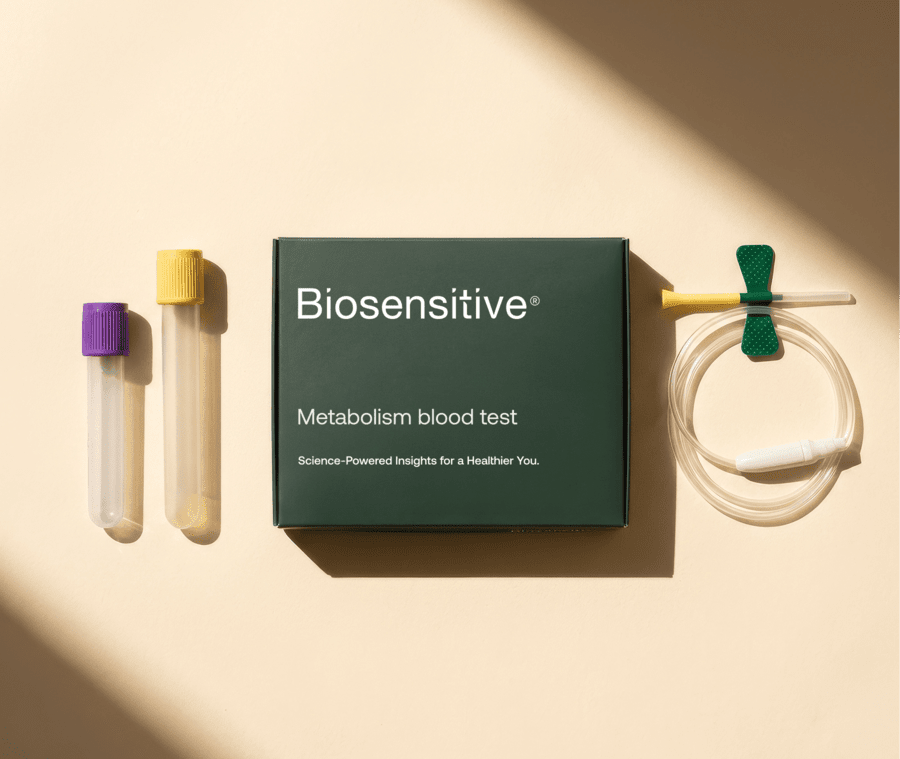
The Biosensitive® Metabolism Blood Test helps you understand how efficiently your body converts food into energy and identifies factors that may be slowing your progress. This clinical test analyses key hormonal, blood sugar, and nutrient markers linked to metabolic performance, energy, and weight management. Designed to highlight imbalances that impact fat loss or fatigue, it provides clear, science-led insights to help you optimise your diet, lifestyle, and overall metabolic health for lasting results.

Shipping & Returns

All items are typically dispatched within 24 hours. 30-day return for unopened and unused product tests and kits.

Select how you would like to collect your blood sample
Biomarkers

Which biomarkers are tested?

Click on each biomarker to see what it does and how it can influence your health.

Biomarkers
Biomarkers
Triglycerides

High triglycerides indicate how well your body processes and stores fat. Elevated levels are strongly linked to insulin resistance, fatty liver, and increased cardiovascular risk — key components of metabolic dysfunction.

Biomarkers
Total Cholesterol

Provides an overview of circulating cholesterol. When combined with LDL, HDL, and ratios, it helps assess overall cardiovascular and metabolic health.

Biomarkers
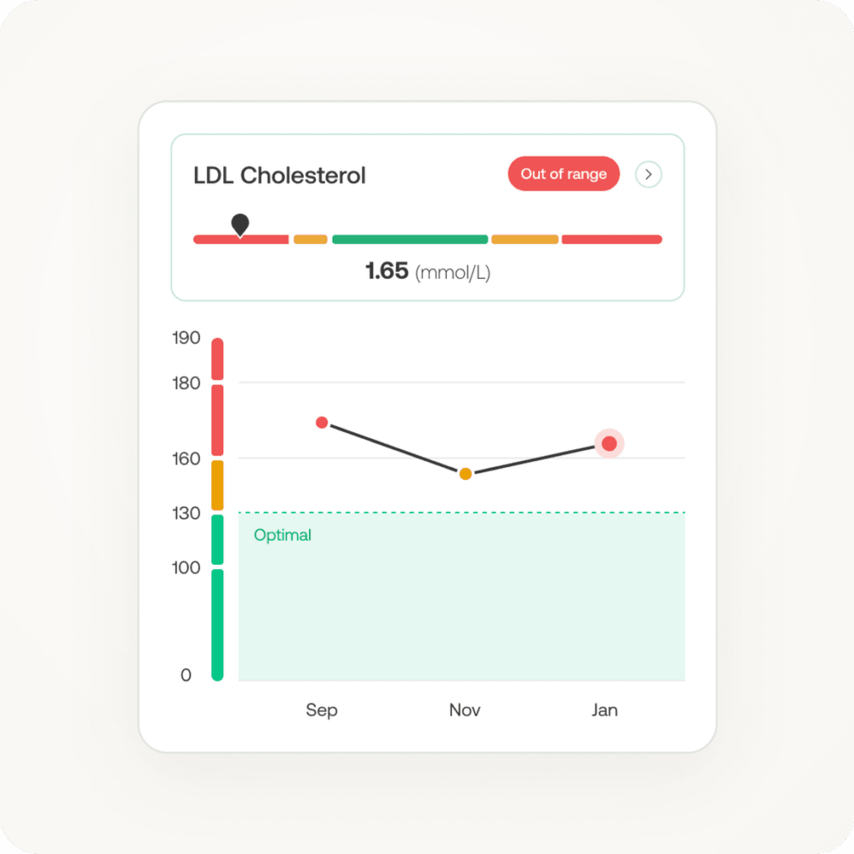
LDL Cholesterol

Often called "bad" cholesterol. Elevated LDL contributes to plaque build-up in arteries and is closely tied to metabolic syndrome and poor heart health.

Biomarkers
HDL Cholesterol

Known as "good" cholesterol. Higher HDL offers protection by helping remove excess cholesterol from the bloodstream. Low HDL is a marker of metabolic imbalance.

Biomarkers
Cholesterol:HDL Ratio

A stronger predictor of cardiovascular and metabolic risk than total cholesterol alone. Ratios can suggest lipid balance and insulin resistance.

Biomarkers
TSH (Thyroid Stimulating Hormone)

TSH controls thyroid hormone production. Imbalances can slow or speed metabolism, affecting weight, energy, temperature regulation, and fat storage.

Biomarkers
Free T4 (Thyroxine)

A major thyroid hormone that influences metabolic rate. Low T4 is associated with fatigue, weight gain, and slow metabolism.

Biomarkers
eGFR (Estimated Glomerular Filtration Rate)

Measures how effectively the kidneys filter waste from the bloodstream. Poor kidney function can impair metabolic processes and affect glucose control.

Biomarkers
Urea

A waste product from protein metabolism. Abnormal levels may reflect dehydration, kidney dysfunction, or high-protein metabolic load.

Biomarkers
Creatinine

Another key kidney marker that reflects muscle metabolism and filtration efficiency. Important for assessing metabolic health and hydration status.

Biomarkers
ALP (Alkaline Phosphatase)

Helps assess liver and bile duct health. Metabolic issues, fatty liver disease, or inflammation can elevate this enzyme.

Biomarkers
GGT (Gamma-Glutamyl Transferase)

A sensitive marker of liver stress. Often elevated in metabolic syndrome, fatty liver disease, alcohol use, or toxin exposure.

Biomarkers
ALT (Alanine Aminotransferase)

Measures liver cell inflammation. Elevated levels are common in non-alcoholic fatty liver disease (NAFLD), a key metabolic disorder.

Biomarkers
Ferritin

Reflects iron stores. Low ferritin can cause fatigue and poor exercise tolerance; high ferritin may indicate inflammation or metabolic syndrome.

Biomarkers
Folate (Vitamin B9)

Essential for red blood cell production and energy metabolism. Deficiency affects mood, cognition, and metabolic efficiency.

Biomarkers
Vitamin B12

Vital for nerve function and energy production. Low B12 can mimic metabolic symptoms such as fatigue and poor concentration.

Biomarkers
Vitamin D

Supports hormone regulation, insulin sensitivity, and immune health. Deficiency is strongly linked with obesity, insulin resistance, and metabolic syndrome.

Biomarkers
Total Testosterone

Testosterone plays a major role in muscle mass, fat distribution, energy, and metabolic rate. Low testosterone is a common but overlooked cause of metabolic dysfunction.

Biomarkers
HbA1c

Shows average blood sugar levels over the past 2–3 months. Essential for detecting insulin resistance, pre-diabetes, or diabetes, major components of metabolic health.

Why These Biomarkers Matter

See how each group of biomarkers works together to give a deep view of your metabolism and overall health.

Cholesterol & Blood Sugar Health

Keep track of the markers that influence fat storage, energy balance, and long-term cardiovascular risk.

BIOMARKERS INCLUDED
Triglycerides, Total Cholesterol, LDL, HDL, Cholesterol:HDL Ratio, HbA1c

Thyroid Health

Understand how your thyroid is affecting your metabolism, weight regulation, mood, and overall energy.

BIOMARKERS INCLUDED
TSH, Free T4

Liver & Kidney Health

Assess how well your liver and kidneys support metabolic function, detoxification, and nutrient processing.

BIOMARKERS INCLUDED
ALT, ALP, GGT, Albumin, eGFR, Urea, Creatinine

Nutrient & Hormonal Balance

Check the essential nutrients and hormones your body needs for stable energy, immunity, and healthy metabolism.

BIOMARKERS INCLUDED
Ferritin, Folate (Vitamin B9), Vitamin B12, Vitamin D, Total Testosterone
Biosensitive blood tests

How it works

A simple three-step process to get clinically led insights into your health.

Step 1

Order your test

Order your Metabolism Test and we will send your kit to you the following day. You will then be sent a link to book in your nurse visit if you have opted for this service.

Order your test
Step 2

Provide your blood sample

You can choose either to have one of our nurses visit you at your home or workplace for a venous blood draw, or you can arrange the blood draw yourself. Around 98% of our patients choose to use our nurse service.

Provide your blood sample
Step 3

Your results

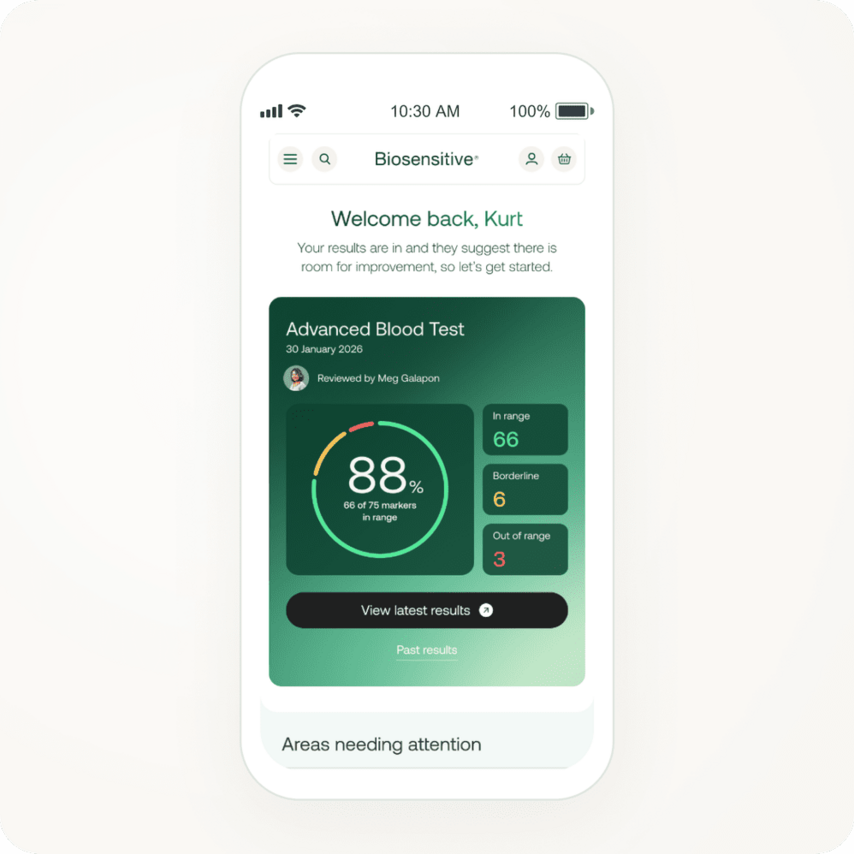
Once your sample is sent back to us using the prepaid envelope in your test kit, we will produce your results within 3-5 days. You will be provided with a doctors report based on your results.

Your results

FAQ – Metabolism Test

If you have any other questions please reach out to us directly.

1. What does this Metabolic Health Blood Test measure?

This test checks key markers involved in metabolism, including cholesterol balance, blood sugar control, thyroid function, liver and kidney health, nutrient status, and hormone levels.
Together, these biomarkers provide a complete picture of how efficiently your body produces energy and manages weight.

2. Who is this test suitable for?

This test is ideal for anyone experiencing fatigue, weight changes, slow metabolism, low energy, poor exercise recovery, or difficulty losing weight. It’s also useful for individuals with a family history of metabolic or cardiovascular issues, or those wanting an annual full-body health screen.

3. Do I need to fast before taking this test?

Yes. We recommend fasting for 8 hours before your sample is taken. Water is fine.

4. Can this test help explain why I’m struggling to lose weight?

Yes. Metabolism is influenced by hormones, thyroid function, liver health, blood sugar regulation, and nutrient availability. This test identifies imbalances across these systems that may be slowing progress or contributing to weight gain.

5. Is this test suitable for both men and women?

Yes. All markers included are relevant for both men and women. Testosterone is included because it affects energy, mood, fat distribution, and metabolic rate in both sexes (though levels differ).

6. How do I collect the blood sample?

Nurse home visit or you can arrange a venous blood draw yourself. Our Nurse home visit is highly recommended, a qualified nurse collects your blood sample for you and brings it back to our lab.

7. How long do results take?

You can expect your results emailed to you 2-5 days after we receive your sample.

8. Can I use this test to monitor my progress over time?

Absolutely. Many users repeat this panel every 3–6 months to track improvements and see how diet, exercise, or treatment plans are affecting metabolic health.

9. Can this test detect early signs of metabolic syndrome?

Yes. Metabolic syndrome is driven by a combination of elevated blood sugar, abnormal cholesterol levels, increased liver enzymes, hormonal imbalance, and low nutrient status. This test measures all of these areas, helping you identify early warning signs before they develop into more serious health issues.

10. Will this test show if my thyroid is affecting my metabolism?

Absolutely. The panel includes TSH and Free T4, which identify underactive or overactive thyroid function, two common causes of slow metabolism, weight gain, fatigue, and mood changes.