Advanced GLP-1 Blood Test

£125.00
Select how you would like to collect your blood sample: Nurse Home Visit (+£30)
Highly Recommended

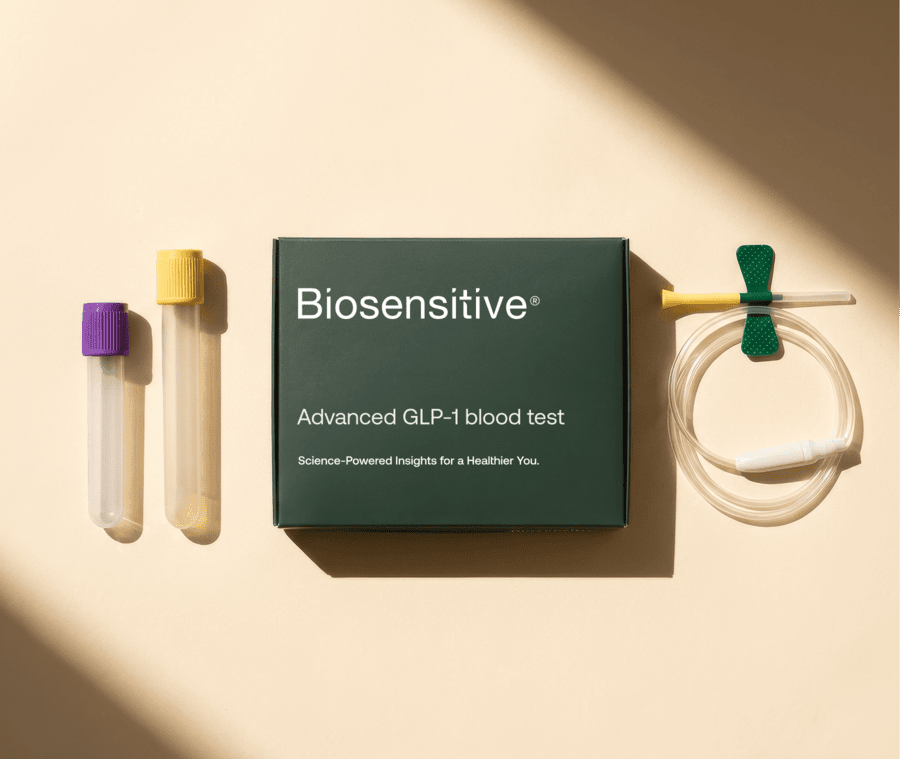
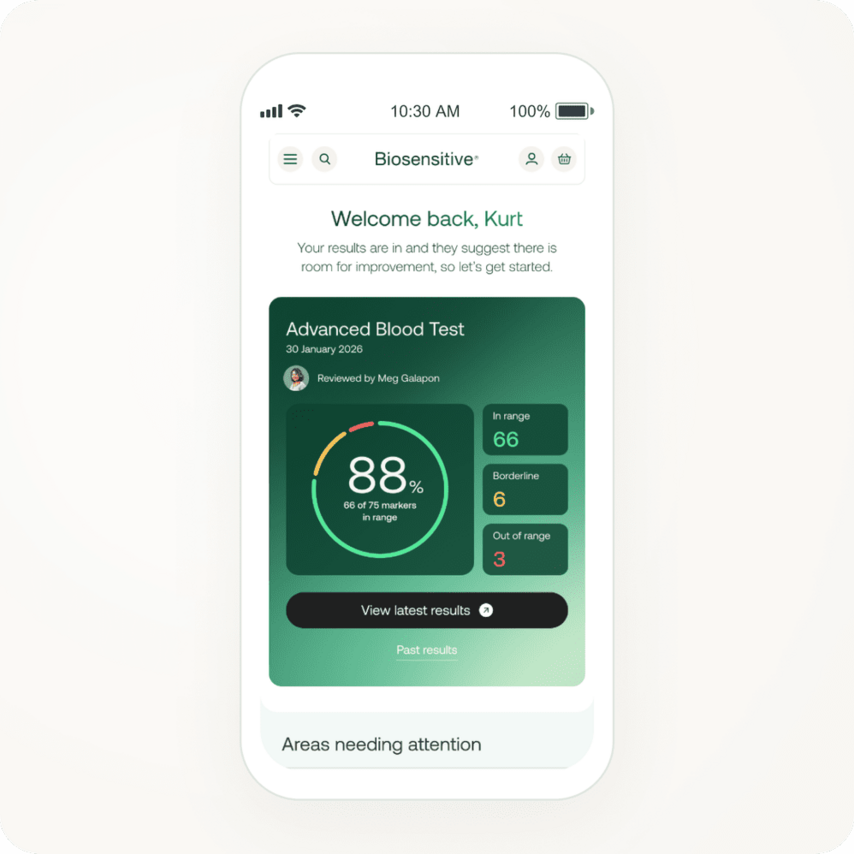
The Biosensitive® Advanced GLP-1 Blood Test is designed to help you monitor your health, safety, and progress while using GLP-1 weight loss treatments. This comprehensive test tracks how your metabolism, hormones, and nutrient levels respond to medication, helping you identify imbalances that could affect energy or wellbeing. Reviewed by our clinical team, your results provide clear, actionable insights to help you optimise treatment, minimise side effects, and achieve sustainable, long-term weight management success with confidence.

Shipping & Returns

All items are typically dispatched within 24 hours. 30-day return for unopened and unused product tests and kits.

Select how you would like to collect your blood sample
Biomarkers

Which biomarkers are tested?

Click on each biomarker to see what it does and how it can influence your health.

Biomarkers
Biomarkers
Bilirubin

A waste product processed by the liver. Elevated levels can indicate liver stress, bile flow issues, or red blood cell breakdown , important when monitoring GLP-1 side effects.

Biomarkers
ALP (Alkaline Phosphatase)

An enzyme related to the liver and bile ducts. Abnormal levels can reflect liver inflammation or blockage, sometimes affected by weight loss, medications, or rapid metabolic change.

Biomarkers
ALT (Alanine Aminotransferase)

A sensitive enzyme released when liver cells become damaged. Helpful for detecting early signs of fatty liver or medication-related liver stress.

Biomarkers
Gamma GT (GGT)

Reflects liver enzyme activity and is often elevated with fatty liver disease, alcohol intake, or toxin exposure. Important when assessing metabolic health during GLP-1 use.

Biomarkers
Urea

Indicates how well the kidneys remove waste. High or low levels can suggest dehydration, high protein breakdown, or impaired kidney function.

Biomarkers
Creatinine

Another key kidney marker. Together with eGFR, it helps assess filtration efficiency and hydration status.

Biomarkers
eGFR (Estimated Glomerular Filtration Rate)

The most important indicator of kidney filtration capacity. GLP-1 medications can impact hydration, making kidney monitoring essential.

Biomarkers
Lipase

An enzyme produced by the pancreas to digest fats. Elevated levels may indicate pancreatic irritation — important because GLP-1 medications can occasionally affect the pancreas.

Biomarkers
Ferritin

Shows iron storage levels. Low ferritin causes fatigue and poor exercise tolerance; high levels may indicate inflammation or liver stress.

Biomarkers
HbA1c

Reflects average blood glucose over 2–3 months. Useful for assessing insulin resistance and monitoring improvements from GLP-1 treatment.

Biomarkers
Total Cholesterol

General cholesterol measure used to assess heart and metabolic health.

Biomarkers
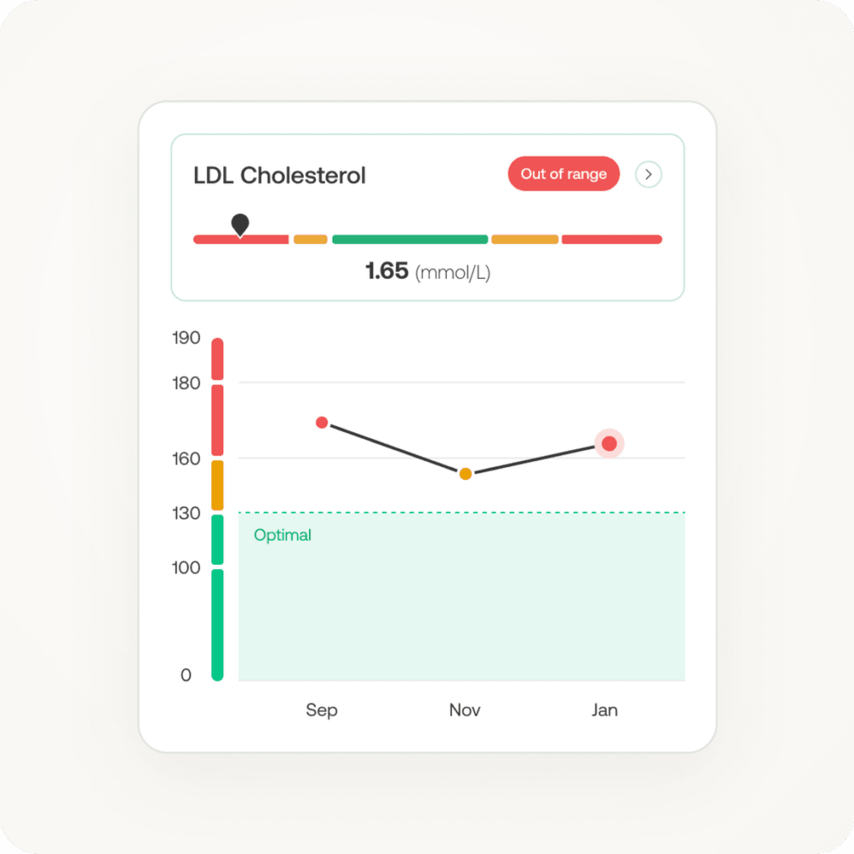
LDL Cholesterol

The “bad” cholesterol that increases cardiovascular risk if elevated.

Biomarkers
Non-HDL Cholesterol

Includes all harmful cholesterol particles and is a stronger predictor of heart disease than LDL alone.

Biomarkers
HDL Cholesterol

The “good” cholesterol that helps remove excess lipids from circulation.

Biomarkers
Total Cholesterol : HDL Ratio

A key risk indicator for heart disease and metabolic syndrome.

Biomarkers
Triglycerides

High triglycerides are linked to insulin resistance and fatty liver, crucial markers during GLP-1 therapy.

Biomarkers
Platelet Count

Indicates how well the body can clot blood. Abnormal levels may reflect inflammation or bone marrow issues.

Biomarkers
MPV (Mean Platelet Volume)

Shows platelet size and activity. Can indicate inflammation or changes in bone marrow activity.

Biomarkers
Total Protein

Reflects overall protein availability in the body. Low values may signal poor nutrition or liver issues.

Biomarkers
Albumin

Produced by the liver; low levels may mean inflammation, liver disease, or poor nutritional status.

Biomarkers
Globulin

Includes immune and transport proteins — useful for assessing immunity, inflammation, and liver health.

Biomarkers
Red Blood Cell Health

Including your Haemoglobin, Haematocrit, Red Cell Count (RBC), MCV (Mean Corpuscular Volume), MCH (Mean Corpuscular Haemoglobin), MCHC (Mean Corpuscular Haemoglobin Concentration)

Biomarkers
White Blood Cell & Immune Health

White Cell Count (WBC), Neutrophils, Lymphocytes, Monocytes, Eosinophils and Basophils.

Why These Biomarkers Matter

GLP-1 medications can create powerful changes in metabolism, appetite, digestion, and weight and these shifts can affect several internal systems. This test is designed to monitor the areas of your health most commonly influenced by GLP-1 treatment, helping you stay safe, balanced, and informed throughout your journey.

Liver & Pancreatic Health

Monitor how your liver and pancreas are responding to GLP-1 treatment, weight loss, and metabolic changes.

BIOMARKERS INCLUDED
Bilirubin, ALP, ALT, GGT, Lipase

Kidney & Electrolyte Health

Check how well your kidneys are filtering and managing hydration during treatment, especially as appetite and fluid intake change.

BIOMARKERS INCLUDED
Urea, Creatinine, eGFR

Cardiometabolic Health

Track key markers linked to blood sugar control, cardiovascular risk, and metabolic improvements from GLP-1 therapy.

BIOMARKERS INCLUDED
HbA1c, Total Cholesterol, LDL, HDL, Non-HDL Cholesterol, Cholesterol:HDL Ratio, Triglycerides

Nutrient & Blood Health

Ensure your nutrient levels and blood cell health remain stable while losing weight and adjusting to appetite changes.

BIOMARKERS INCLUDED
Ferritin, Folate, Total Protein, Albumin, Globulin, Haemoglobin, Haematocrit, RBC, MCV, MCH, MCHC, WBC, Neutrophils, Lymphocytes, Monocytes, Eosinophils, Basophils, Platelet Count, MPV
Biosensitive blood tests

How it works

A simple three-step process to get clinically led insights into your health.

Step 1

Order your test

Order your Advanced GLP-1 Test and we will send your kit to you the following day. You will then be sent a link to book in your nurse visit if you have opted for this service.

Order your test
Step 2

Provide your blood sample

You can choose either to have one of our nurses visit you at your home or workplace for a venous blood draw, or you can arrange the blood draw yourself. Around 98% of our patients choose to use our nurse service.

Provide your blood sample
Step 3

Your results

Once your sample is sent back to us using the prepaid envelope in your test kit, we will produce your results within 3-5 days. You will be provided with a doctors report based on your results.

Your results

FAQ – Advanced GLP-1 Blood Test

If you have any other questions please reach out to us directly.

1. Why do I need a blood test while using GLP-1 medication?

GLP-1 treatments can affect your liver, pancreas, kidney function, blood sugar regulation, and nutrient status. This test monitors the biomarkers most likely to change during treatment, helping ensure that you’re responding safely and effectively.

2. What problems can this test detect?

This panel can identify early signs of:

  • Liver stress or fatty liver
  • Pancreatic irritation
  • Kidney function changes
  • Nutrient deficiencies that affect energy
  • Anaemia or low blood cell counts
  • Elevated cholesterol or poor blood sugar control

    These areas are important to track during GLP-1 therapy.
3. Does this test show if GLP-1 is working for me?

Yes. Improvements in cholesterol, HbA1c, inflammation markers, and nutrient balance can indicate effective metabolic response. Your results will help you understand how your internal health is changing as you lose weight.

4. What’s the difference between the Advanced GLP-1 Test and a regular blood test?

Our GLP-1 test looks specifically for the biomarkers which could be affected during your treatment.

This Advanced GLP-1 panel measures:

  • Liver function
  • Pancreatic markers
  • Kidney function
  • Cholesterol and cardiovascular risk
  • Blood sugar regulation
  • Full blood count
  • Nutrient status

    It gives a much more complete picture of how treatment is affecting your whole body.
5. Do I need to fast before the test?

Yes. We recommend fasting for 8 hours before your sample. Water is okay.

6. How do I collect the blood sample?

Nurse home visit or you can arrange a venous blood draw yourself. Our Nurse home visit is highly recommended, a qualified nurse collects your blood sample for you and brings it back to our lab.

7. How long do results take?

2-5 days.

8. Can I take this test if I haven’t started GLP-1 yet?

Yes, it’s ideal as a baseline test before treatment. This helps your clinician compare how your biomarkers change over time and tailor your plan more safely whilst on medication.

9. Will this test tell me why I’m experiencing side effects?

It can help. Markers such as lipase, liver enzymes, electrolyte balance, and nutrient levels may highlight why you’re experiencing nausea, fatigue, digestive changes, or reduced appetite during GLP-1 therapy.

10. What happens if something is abnormal?

Our clinical team highlights any out-of-range markers and provides guidance on whether you should adjust lifestyle, discuss treatment changes, or follow up with your GP.