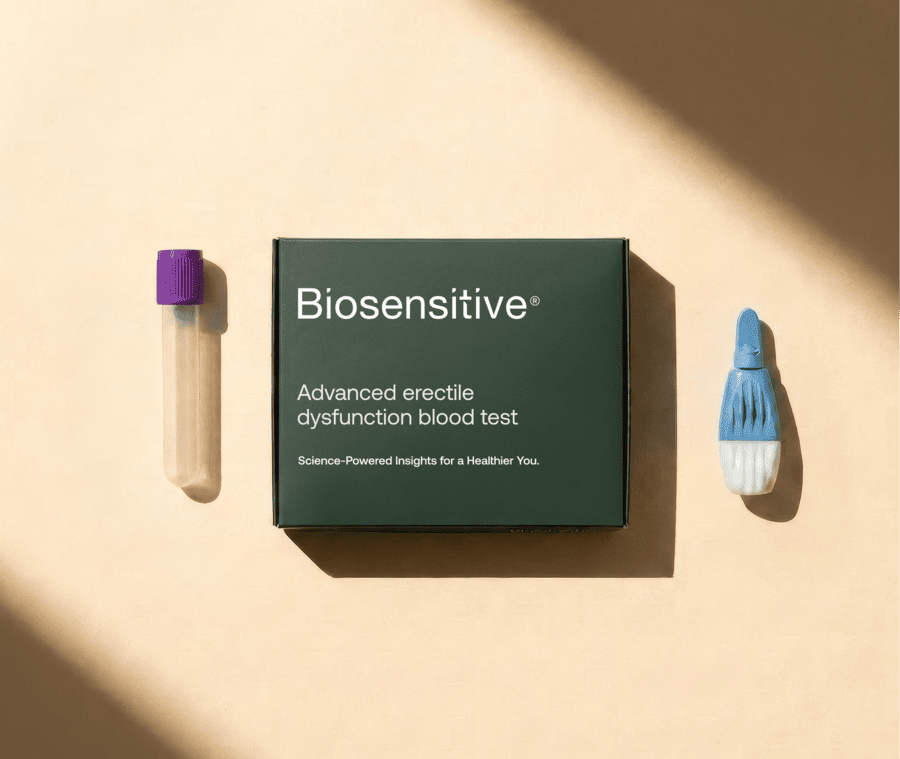
Erectile Dysfunction Blood Test

£110.00
Select how you would like to collect your blood sample: Nurse Home Visit (+£30)
Highly Recommended

The Biosensitive® Erectile Dysfunction Blood Test helps identify the underlying causes of erectile dysfunction, giving you clear insight into your hormonal, metabolic, and cardiovascular health. This clinical test detects factors such as low testosterone, poor circulation, or insulin resistance that may be affecting performance, confidence, and energy. This test will allow you make informed steps toward restoring balance, improving sexual health, and enhancing overall wellbeing.

What’s the difference between a finger-prick test and a nurse home visit?

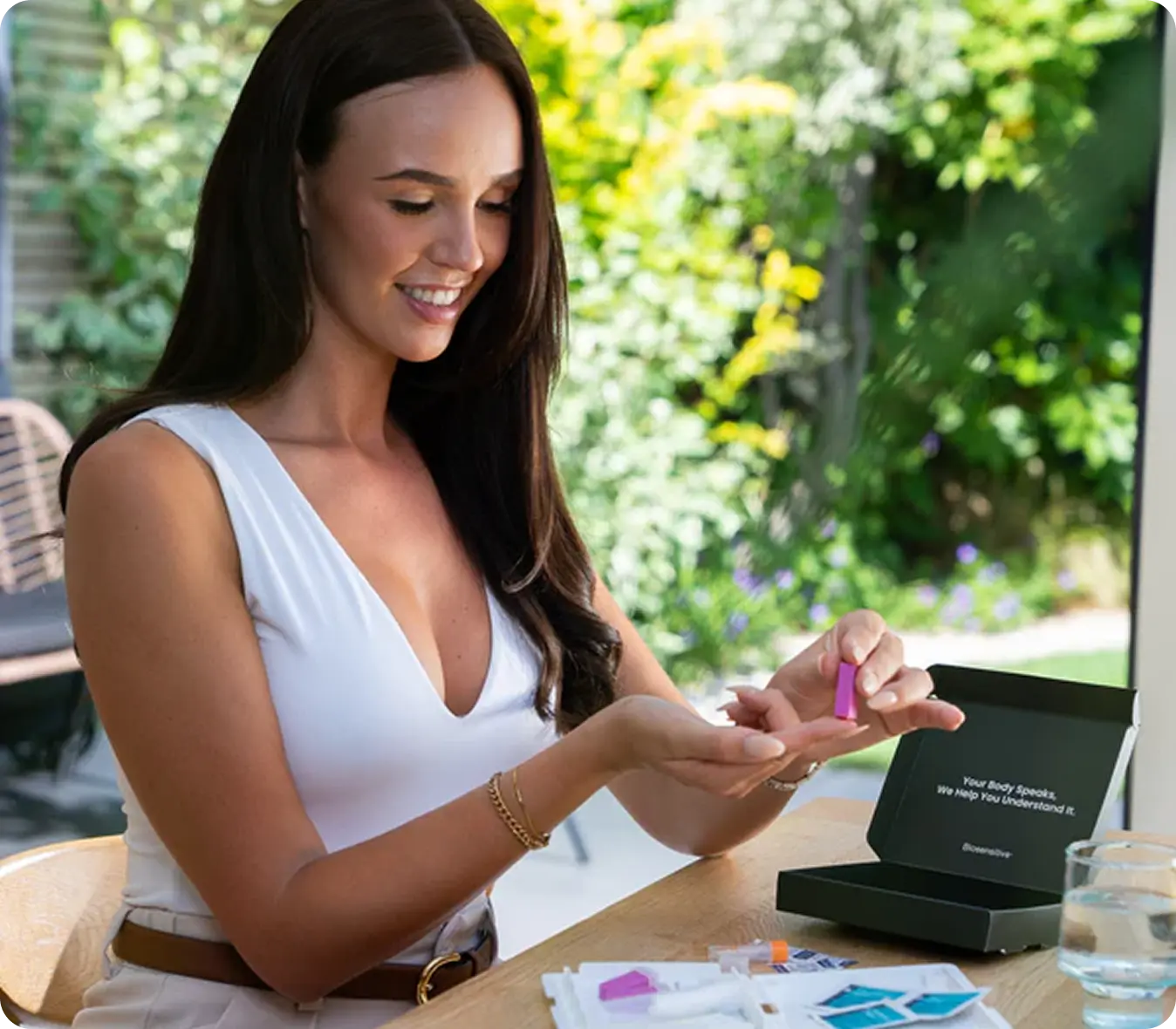
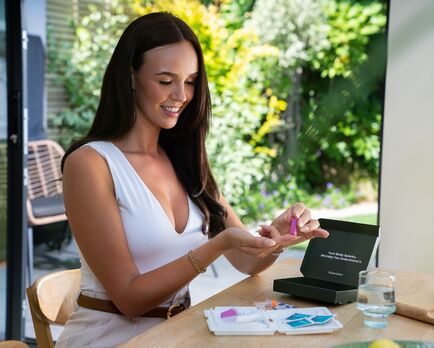
A finger-prick test uses a small lancet to collect a few drops of blood from your fingertip. It’s quick, convenient, and can be done at home without a nurse. This method is ideal for most hormone and metabolic markers.

With our nurse home visit, a venous blood draw is taken from a vein in your arm by a trained nurse. It provides a larger sample and is sometimes preferred for tests that include multiple biomarkers or where higher sample volume gives even greater accuracy.

Both methods are clinically valid, the choice comes down to your preference and whether you would like a nurse to collect your sample for you.

Shipping & Returns

All items are typically dispatched within 24 hours. 30-day return for unopened and unused product tests and kits.

Select how you would like to collect your blood sample
Biomarkers

Which biomarkers are tested?

Click on each biomarker to see what it does and how it can influence your health.

Biomarkers
Biomarkers
Testosterone

Testosterone plays a central role in libido, erection strength, energy and overall sexual function. Low levels can reduce desire, impair erection quality and contribute to fatigue and low mood. Testing testosterone helps identify whether hormonal imbalance is contributing to erectile dysfunction.

Biomarkers
Free Testosterone

Free testosterone shows how much testosterone is biologically active and available for use. Even when total testosterone appears normal, low free testosterone can result in low libido, reduced erection firmness and weaker sexual performance. This marker gives a more accurate picture of hormone-driven ED.

Biomarkers
SHBG (Sex Hormone Binding Globulin)

SHBG controls how much testosterone is free and active in the body. High SHBG can trap testosterone, reducing its availability and contributing to low libido and sexual difficulties. Measuring SHBG helps explain symptoms when testosterone levels alone do not provide the full story.

Biomarkers
Albumin

Albumin binds to hormones including testosterone and affects the calculation of free testosterone. Abnormal albumin levels may interfere with hormone balance and influence energy, mood and sexual function. It ensures your free testosterone assessment is accurate.

Biomarkers
LH (Luteinising Hormone)

LH stimulates natural testosterone production. Low LH may indicate that the testes are under-producing testosterone, while high LH may suggest the brain is trying to compensate for testicular underperformance. This helps determine whether ED has a hormonal or testicular cause.

Biomarkers
FSH (Follicle-Stimulating Hormone)

FSH is involved in sperm production and testicular function. Abnormal levels may point toward underlying testicular dysfunction, which can coexist with ED. It provides additional insight into reproductive and hormonal health.

Biomarkers
Prolactin

High prolactin levels can suppress testosterone, reduce libido and cause erectile difficulties. Elevated prolactin is a known hormonal cause of ED and should always be checked when symptoms are present. This marker helps identify treatable endocrine causes.

Biomarkers
Oestradiol (E2)

Men convert some testosterone to oestradiol through aromatisation. Balanced levels support libido, mood and vascular health, but too much or too little can impair erections. Monitoring E2 ensures that hormonal imbalance is not affecting sexual function.

Biomarkers
Total Cholesterol

Cholesterol levels influence blood vessel health, including the arteries that supply blood to the penis. High total cholesterol can reduce blood flow and is strongly linked to ED. This marker helps evaluate cardiovascular contributors to erectile difficulties.

Biomarkers
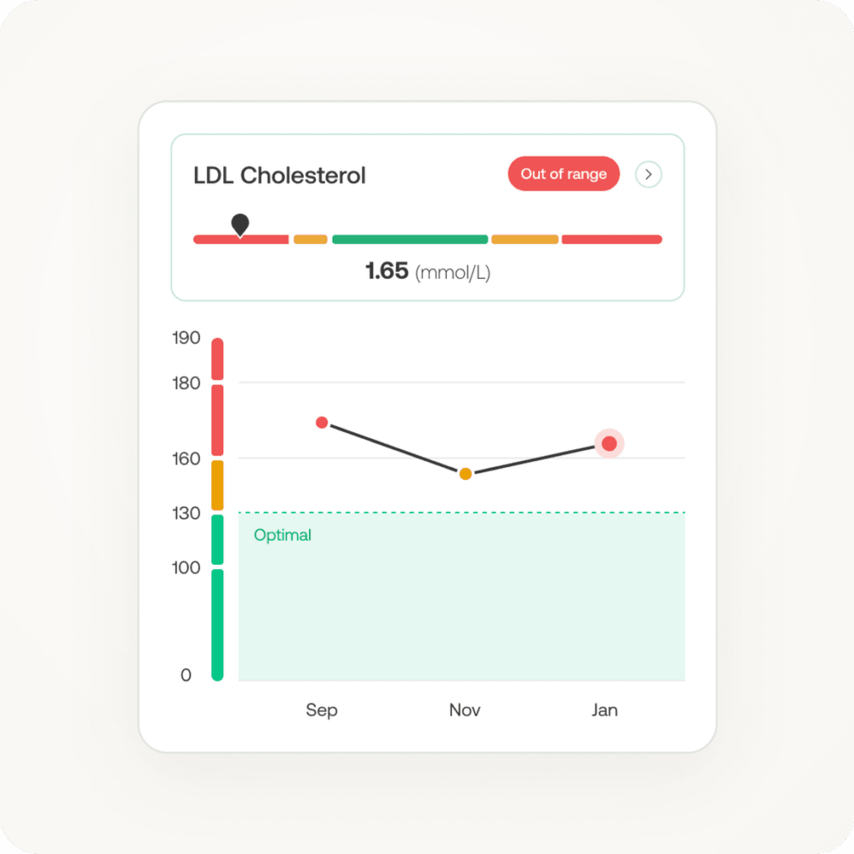
LDL (Low-Density Lipoprotein)

High LDL (“bad cholesterol”) can cause plaque buildup in blood vessels, limiting blood flow to the penis. Reduced penile blood flow is one of the most common causes of ED. Monitoring LDL helps identify vascular risk early.

Biomarkers
HDL (High-Density Lipoprotein)

HDL protects blood vessels and supports healthy circulation. Low HDL levels reduce vascular protection and may contribute to ED caused by impaired blood flow. Higher HDL generally supports better erectile function.

Biomarkers
Triglycerides

High triglycerides are linked to insulin resistance and vascular dysfunction — both major drivers of erectile problems. Elevated levels may interfere with nitric oxide signalling, which is essential for achieving an erection. This marker helps assess metabolic contributions to ED.

Biomarkers
Cholesterol:HDL Ratio

This ratio is a strong predictor of cardiovascular risk and blood vessel health. A higher ratio suggests poorer vascular function, which can directly impact erection strength. It provides a clearer view of circulatory health than individual cholesterol markers alone.

Biomarkers
HbA1c

HbA1c measures long-term blood sugar control. High levels indicate prediabetes or diabetes, which can damage nerves and blood vessels essential for erections. Poor glucose control is one of the leading medical causes of ED, making this marker crucial.

Biomarkers
TSH (Thyroid Stimulating Hormone)

Thyroid imbalance can affect energy, mood, metabolism and sexual function. Both underactive and overactive thyroid states are linked to erectile difficulties. TSH provides the starting point for assessing whether thyroid dysfunction is impacting your erections.

Biomarkers
Free T4 (Thyroxine)

Free T4 shows how well the thyroid is producing hormones that regulate metabolism and energy levels. Low levels may contribute to low libido, fatigue and sexual performance issues. Measured with TSH to identify thyroid-related causes of ED.

Biomarkers
Vitamin D

Vitamin D plays a key role in hormone regulation, vascular health, energy and mood, all of which influence erectile function. Low Vitamin D is common and has been linked to reduced testosterone and poorer erectile quality. Optimising levels supports overall sexual health.

Why These Biomarkers Matter For Your Erection

See how each group of biomarkers works together to give a deep view of your overall health relating to erectile dysfunction

Hormonal balance

Assess the key hormones that influence libido, sexual function and erection strength to identify any underlying imbalances impacting performance.

BIOMARKERS INCLUDED
Total Testosterone, Free Testosterone, SHBG, Albumin, LH, FSH, Prolactin, Oestradiol (E2)

Blood flow & vascular health

Understand how your cholesterol and lipid profile may be affecting blood flow to the penis, a major factor in erectile strength and overall vascular performance.

BIOMARKERS INCLUDED
Total Cholesterol, LDL, HDL, Triglycerides, Cholesterol:HDL Ratio

Metabolic health

Identify metabolic issues such as insulin resistance or poor glucose control — two of the most common medical causes of erectile dysfunction.

BIOMARKERS INCLUDED
HbA1c

Energy, thyroid & vitality

Evaluate thyroid and vitamin status linked to energy, mood and hormone regulation, all of which play a role in maintaining a healthy sex drive and erectile function.

BIOMARKERS INCLUDED
TSH, Free T4, Vitamin D
Biosensitive blood tests

How it works

A simple three-step process to get clinically led insights into your health.

Step 1

Order your test

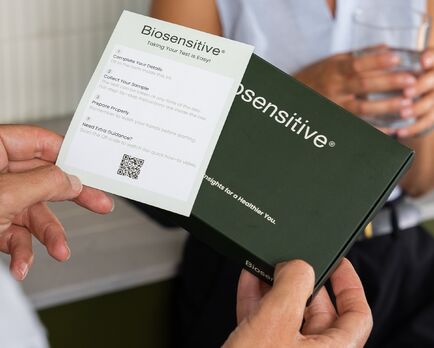
Order your Advanced Erectile Dysfunction Test and we will send your kit to you the following day. You will then be sent a link to book in your nurse visit if you have opted for this service.

Order your test
Step 2

Provide your blood sample

This test can be done via a finger prick or venous blood draw. If you select a venous blood draw, you can choose either to have one of our nurses visit you at your home or workplace for a venous blood draw, or you can arrange the blood draw yourself.

Provide your blood sample
Step 3

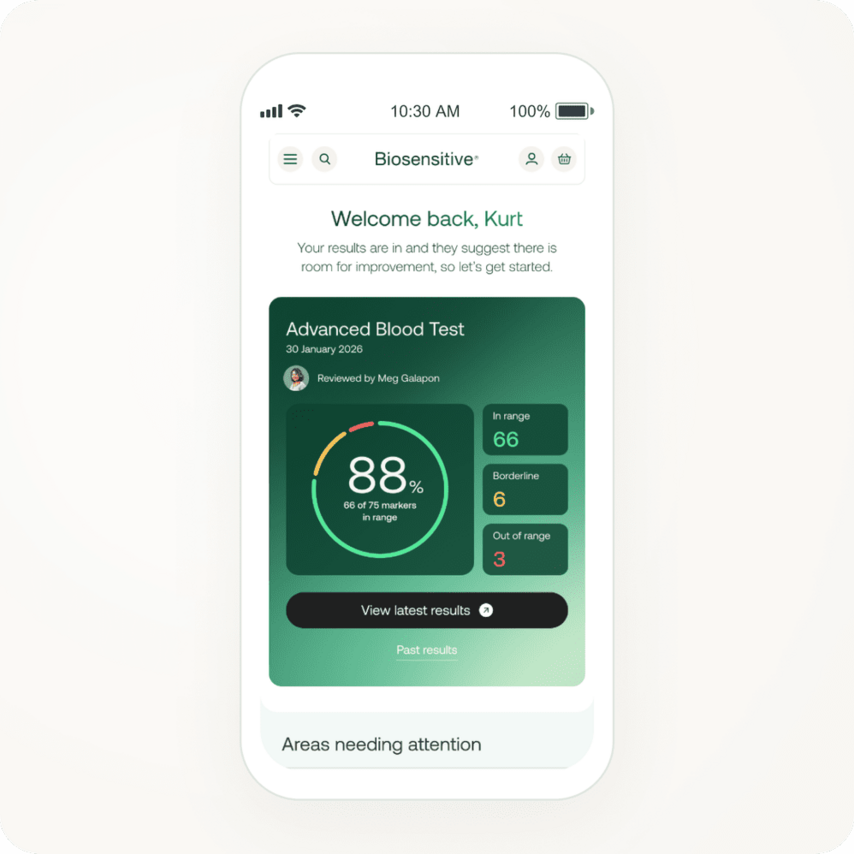
Your results

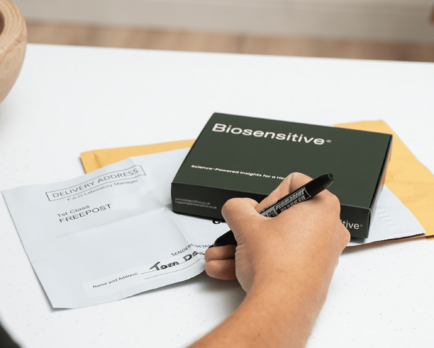
Once your sample is sent back to us using the prepaid envelope in your test kit, we will produce your results within 3-5 days. You will be provided with a doctors report based on your results.

Your results

FAQ – Advanced Erectile Dysfunction Test

If you have any other questions please reach out to us directly.

1. What does this test check for?

This test measures the key hormones, cardiovascular markers, and metabolic indicators linked to erectile dysfunction. It includes testosterone levels, pituitary hormones (LH, FSH, prolactin), oestradiol, cholesterol profile, thyroid function, HbA1c, and vitamin D, giving a clear picture of what may be affecting sexual performance and overall wellbeing.

2. How can this test help with erectile dysfunction?

Erectile dysfunction can be caused by hormonal imbalance, poor circulation, metabolic issues, stress, or thyroid dysfunction. This test identifies the underlying factors contributing to your symptoms so you can take targeted steps, whether that’s lifestyle changes, treatment, or further medical investigation.

3. Do I need to take this test on a specific day of my cycle?

For the most accurate hormone insights, testing is recommended between days 3–5 of your menstrual cycle.

If you don’t have periods, or your cycle is irregular, you can test on any day.

4. How is the test done?

You can either opt for a finger prick or venous blood draw. If you opt for a venous blood draw, you can either choose to have a at home visit or arrange for the blood collection yourself.

5. Whats the difference between a finger prick test and a venous blood draw test?

A finger-prick test uses a small lancet to collect a few drops of blood from your fingertip. It’s quick, convenient, and can be done at home without a nurse.

A venous blood draw is taken from a vein in your arm by a trained nurse. It provides a larger sample and is sometimes preferred for tests that include multiple biomarkers or where higher sample volume gives even greater accuracy. The venous blood draw has a lower failure rate.

Both methods are clinically valid, the choice comes down to your preference and whether you would like a nurse to collect your sample for you.

6. Do I need to fast before the test?

We recommend fasting for around 8 hours before the test.

7. How long do results take?

Yes. Although testosterone is often thought of as a male hormone, it also plays an important role in women’s health, including fertility, bone strength, energy, and libido.

8. Can this test diagnose the cause of my ED?

It can identify the likely causes such as low testosterone, high prolactin, thyroid imbalance, insulin resistance, or cardiovascular risk, so you understand what’s driving your symptoms. This allows us to make a more accurate diagnosis and iron out next steps, if required.

9. Does this test check for STIs?

No. This test focuses on hormonal, cardiovascular, and metabolic causes of erectile dysfunction. If you need STI testing, that should be done separately.

10. What if my results are abnormal?

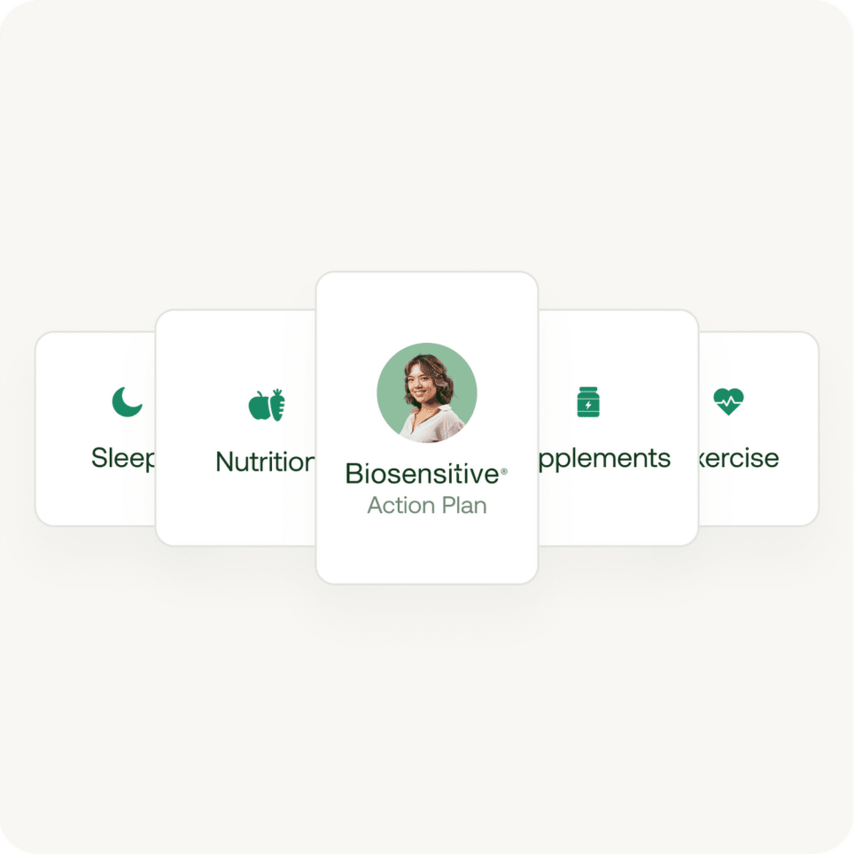
If any markers fall outside the expected range, our clinical team will explain what that means and recommend appropriate next steps, which may include lifestyle changes, GP follow-up, or further specialist testing.